
Calcium
Bones, teeth and so much more

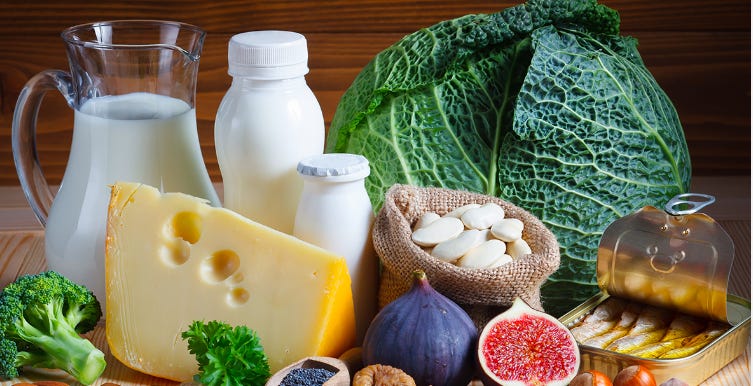
More Than Just Bones and Teeth
Calcium is a mineral commonly associated with strong bones and teeth, but it also plays a crucial role in blood clotting, muscle contraction, maintaining normal heart rhythms, and supporting nerve function. Our bodies simply cannot do without it.
Sources of Calcium
Most people think of dairy products—like milk, cheese, and yogurt—as well as canned fish, like sardines (provided they include the bones), as primary sources of calcium due to their high bioavailability. However, calcium can also be derived from plant-based foods, particularly important for those who avoid dairy. These include:
Soy-based products like tofu and soya milk/yoghurt (e.g. Alpro)
Sesame seeds and tahini
Almonds
Dried figs and apricots
Leafy greens like watercress, kale and pak choi or spinach.
Absorption Tip: Plant-based calcium sources contain compounds called oxalates that can bind to calcium and inhibit its absorption. This can be especially problematic for individuals prone to kidney stones (calcium oxalate stones). To counter this, pair these foods with a balanced meal that includes protein, healthy fats, and minerals such as magnesium or potassium (found in nuts, seeds, and avocados), which can support calcium absorption and help reduce the effects of oxalates.
Fermented Foods and Calcium
Fermented dairy products, like yogurt and kefir, not only provide calcium but also beneficial probiotics. These probiotics may support calcium metabolism by improving gut health, which in turn aids nutrient absorption. Fermented plant foods like tempeh can also contribute calcium and improve bioavailability.
Tempeh is one of those “Marmite” foods - you’ll love it or hate it! It’s actually very high in protein too, so if you’re vegan or veggie this could be a good option for you. If the slightly cheesy flavour isn’t your thing, try blending it in a food processor to create a versatile 'mince.' This works wonderfully in dishes like spaghetti Bolognese, where the flavour can be easily masked. For a quick and nutritious meal, I like to sauté onions and mushrooms in olive oil, stir in the tempeh mince, add a splash of tamari, a sprinkle of fresh parsley and voilà – a wholesome option for brunch, lunch, or dinner!
My favourite brand is Tempeh by Tofoo company.

Calcium Needs Help
Calcium doesn’t work alone for bone health. It teams up with other nutrients to maintain bone density and strength:
Vitamin D helps your body absorb calcium.
Magnesium ensures calcium is properly distributed and doesn’t end up in soft tissues.
Vitamin K2 directs calcium to bones and teeth instead of arteries.
Boron and zinc support bone density and strength.
For example, Calcium from Algae + Magnesium + Vitamin D supplements, like those from Nutri Advanced, offer a synergistic blend. Calcium and magnesium sourced from red algae also promote alkaline phosphatase activity, a marker of bone growth and repair.
And don’t forget to exercise to strengthen your bones
Weight-bearing and resistance exercises don’t directly increase calcium in the bones but stimulate bone remodelling. When stress is applied to bones during exercise, it signals the body to lay down new bone tissue, making bones denser and stronger, and preventing conditions such as osteopenia and osteoporosis. If you’ve never done any strength training before, start with some simple squats and lunges or follow one of the million experts on YouTube. I’m a fan of HASFit, an American couple, who have hundreds of different strength exercises for different levels – for example this one Hasfit beginners.
Quick Recipe Idea: Tahini and Yogurt Dip
Combine yogurt, tahini, lemon juice, and garlic for a calcium-packed dip. Pair with crunchy veggies like watercress or broccoli florets for an extra calcium boost.